
Introduction Exercises for Mental Health Benefits
In the hustle and bustle of modern life, mental health often takes a backseat to physical well-being. Yet, it is the cornerstone of a truly fulfilling and balanced existence. With stress, anxiety, and depression plaguing millions worldwide, it is imperative to prioritize mental health and seek effective strategies to combat these challenges. This blog post delves into the depths of mental health and well-being, presenting you with a curated list of seven powerful exercises that are scientifically proven to enhance your mental state. Whether you are a novice seeking to embark on a journey of self-improvement or an experienced practitioner looking to deepen your toolkit, these exercises serve as the gateway to a healthier, happier you.
Mindfulness Meditation: The Gateway to Present-Moment Awareness
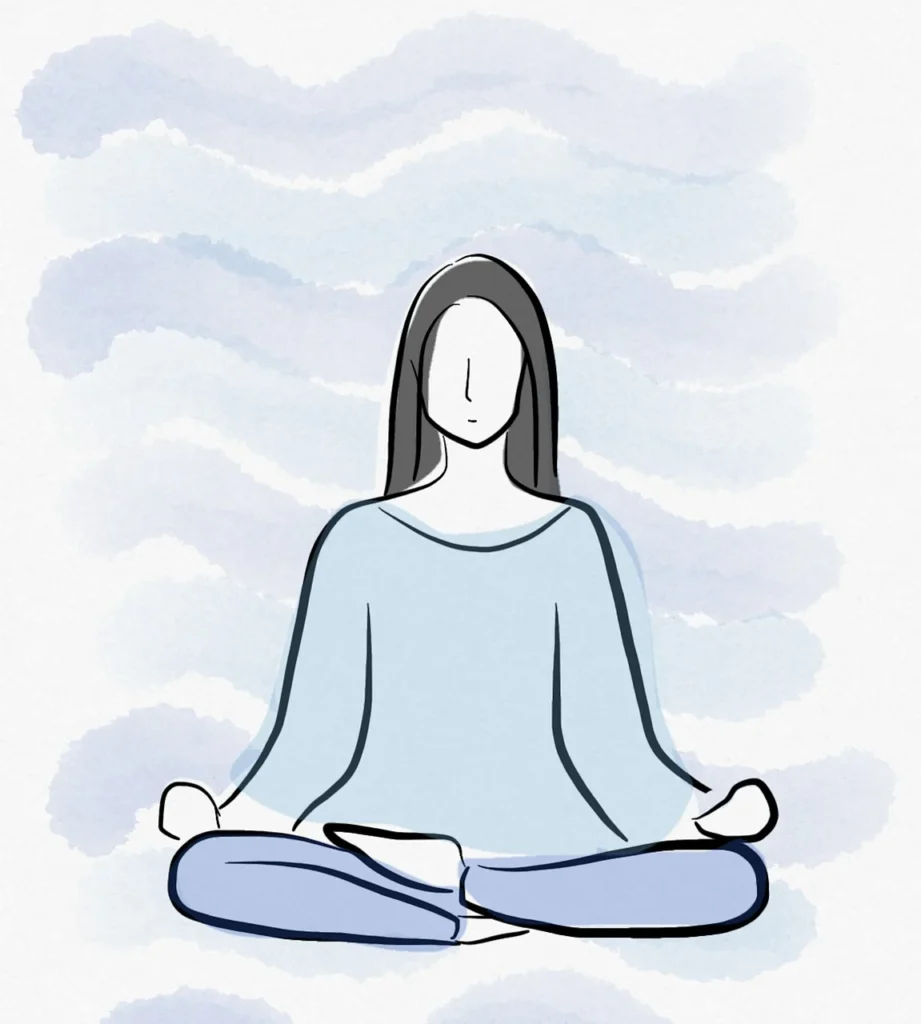
Mindfulness meditation is a timeless practice that has recently found its place in contemporary mental health discourse. Rooted in ancient traditions but adapted to suit our modern lives, it involves deliberately focusing one’s attention on the present moment without judgment. This exercise has gained significant traction due to its profound impact on mental health.
Benefits of Mindfulness Meditation
- Reduces symptoms of anxiety and depression: Mindfulness has been shown to significantly alleviate symptoms of anxiety and depression by promoting emotional regulation and a non-reactive approach to negative thoughts.
- Improves focus and cognitive flexibility: By training the brain to remain focused on the present, mindfulness meditation enhances the ability to concentrate and adapt to new situations.
- Enhances emotional regulation and self-awareness: Regular practice can lead to increased self-knowledge and the capacity to manage emotional responses effectively.
- Promotes relaxation and reduces cortisol levels: Lower cortisol levels are linked to decreased stress and improved mental health.
A Step-by-Step Guide to Mindfulness Meditation
- Identify a suitable environment: Choose a quiet, comfortable space where you won’t be easily disturbed.
- Assume a comfortable posture: You can sit on a chair, cross-legged on the floor, or lie down—whatever feels right for you.
- Close your eyes: This helps to minimize visual distractions and encourages internal focus.
- Focus on your breath: Pay close attention to the sensation of air entering and leaving your body.
- Observe without judgment: When thoughts arise, acknowledge them without becoming engrossed in their content and gently redirect your focus to your breath.
- Start with a manageable duration: Begin with 5–10 minutes per session and gradually extend the time as you become more adept.
- Practice regularly: Consistency is vital in realizing the full spectrum of mindfulness meditation’s benefits.
Scientific Evidence Supporting Mindfulness Meditation
Research published in prestigious journals such as JAMA Internal Medicine has substantiated the efficacy of mindfulness in reducing stress and enhancing mental clarity. Brain imaging studies have even demonstrated an increase in gray matter in areas associated with emotional regulation among those who practice regularly.
Tips for Beginners
- Utilize guided meditation apps like Headspace or Calm to assist in your practice.
- Embrace the imperfections of your sessions; consistency is more important than perfection.
- Treat distractions as natural occurrences rather than obstacles.
Gratitude Journaling: The Art of Appreciation
Gratitude journaling is a straightforward yet profound practice that involves listing the aspects of your life for which you are grateful. This intentional focus on positive aspects can lead to a more optimistic perspective.
Psychological Advantages of Gratitude Journaling
- Decreases symptoms of depression: Cultivating an attitude of gratitude can shift one’s focus from the negative to the positive, reducing the intensity of depressive episodes.
- Increases feelings of happiness: By acknowledging life’s gifts, you train your brain to seek out more positive experiences.
- Strengthens emotional resilience: Gratitude can bolster your ability to cope with adversity.
- Improves sleep quality: Reflecting on positive moments before bed can calm the mind and prepare it for restful sleep.
How to Begin Your Gratitude Journaling Journey
- Choose your medium: Opt for a physical notebook or a digital platform that resonates with your preferences.
- Establish a routine: Write down 3–5 things you are thankful for each day.
- Reflect on their significance: Ponder on why these elements are meaningful to you.
Real-life examples from the Greater Good Science Center at UC Berkeley have demonstrated that a consistent gratitude practice can lead to substantial mental health improvements. For instance, cancer patients who engage in gratitude journaling have experienced lower anxiety levels and greater overall optimism.
Physical Exercise: The Mind-Body Connection
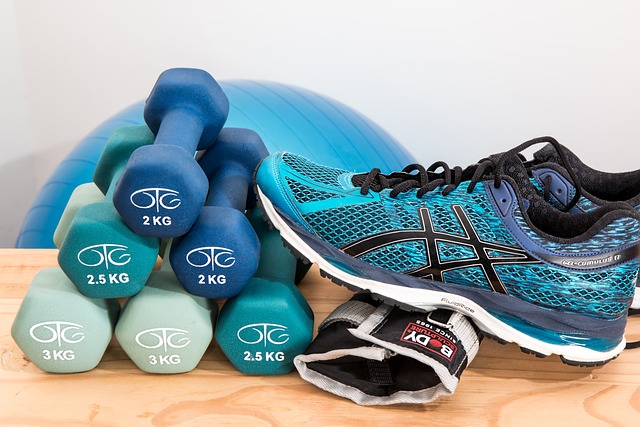
Physical exercise is a well-known panacea for various bodily ailments, but its mental health benefits are equally substantial. Regular physical activity can significantly enhance mental well-being by altering brain chemistry and reducing stress.
Exercises Known to Improve Mental Health
- Yoga: This holistic practice combines physical postures with mindfulness, making it particularly effective in reducing anxiety.
- Aerobic Workouts: Activities such as running or cycling boost mood and energy levels, contributing to mental well-being.
- Walking in nature: This combines the cognitive benefits of exercise with the calming influence of the natural environment.
The Science Behind Physical Activity and Mental Health
Exercise reduces inflammation in the body, which is associated with mental health conditions like depression. Additionally, it improves sleep quality and increases the production of brain-derived neurotrophic factor (BDNF), a protein that supports the growth and maintenance of brain cells.
Tips for Incorporating Physical Exercise into Your Life
- Commit to at least 20 minutes of moderate exercise three times a week.
- Select activities you genuinely enjoy to ensure sustainability.
- Utilize fitness apps to track progress and stay motivated.
Deep Breathing and Relaxation Techniques: Calming the Mind’s Turmoil
Deep breathing is a simple yet potent tool for stress reduction. These exercises engage the parasympathetic nervous system, counteracting the body’s fight-or-flight response.
Popular Deep Breathing Techniques
- 4-7-8 Breathing: Inhale for 4 seconds, hold for 7 seconds, exhale for 8 seconds.
- Diaphragmatic Breathing: Concentrate on filling your belly with air as you breathe deeply.
- Box Breathing: Inhale for 4 seconds, hold for 4 seconds, exhale for 4 seconds, and pause for 4 seconds.
How Deep Breathing Impacts Mental Health
- Lowers heart rate and blood pressure: These physiological changes contribute to a calmer state of mind.
- Decreases cortisol levels: Reducing this stress hormone can improve mood and cognitive function.
- Provides immediate stress relief: Use deep breathing as a quick intervention during tense moments.
Practical Advice for Deep Breathing Success
- Integrate deep breathing with meditation for enhanced benefits.
- Utilize relaxation playlists or apps to guide your breathing rhythm.
- Be consistent and practice often for the best results.

Cognitive Behavioral Techniques: Rewiring Your Mind
Cognitive Behavioral Therapy (CBT) is a widely accepted psychological intervention that helps individuals challenge and replace negative thought patterns. Even without formal therapy, these strategies can be practiced independently for mental health gains.
CBT-Inspired Exercises
- Thought Records: Document negative thoughts and evaluate their truthfulness.
- Behavioral Activation: Engage in pleasurable activities to boost mood, even when motivation is lacking.
- Reframing Negative Thoughts: Replace disempowering statements with positive affirmations.
Real-world Application
Imagine someone struggling with self-doubt. By creating a thought record, they could list instances where their self-perception was contradicted by reality, thereby weakening the grip of their negative self-talk.
- Creative Expression: The Therapeutic Power of Art, Music, and Writing
Creative outlets offer a safe space for emotional release and personal exploration, making them invaluable for mental health.
Forms of Creative Expression
- Art Therapy: Visual representation of feelings can be incredibly cathartic.
- Music Therapy: Crafting playlists that resonate with your emotional state can be both uplifting and healing.
- Expressive Writing: Chronicling personal challenges can provide insight and clarity.
The Science Behind Creative Expression and Mental Health
Creativity has been linked to the activation of the brain’s reward centers, which can mitigate depression and anxiety symptoms. It also allows for the safe and constructive processing of emotions.
How to Incorporate Creative Activities into Your Life
- Join a local art class or music group to explore your artistic side.
- Dedicate 15–30 minutes each day to engage in a creative activity.
- Experiment with different mediums to find the one that resonates most deeply.
Social Connection and Empathy-Building Exercises: The Human Element of Mental Health
Humans are social beings, and strong relationships are fundamental to our mental well-being. These exercises strengthen social bonds and foster empathy.
Exercises to Enhance Social Connections
- Active Listening: Give undivided attention to others, without interrupting.
- Acts of Kindness: Small gestures can have a profound impact on mood and sense of purpose.
- Group Activities: Engage in support groups or community events.
- Collaborative Hobbies: Participate in team sports or volunteer work to forge connections.
The Importance of Consistency in Mental Health Exercises
Like physical fitness, mental health requires regular exercise to maintain and improve. Incorporating these strategies into your daily routine can lead to significant long-term mental health gains.
Tools to Help You Stay Consistent
- Use habit-tracking apps like Habitica or Streaks to monitor your progress.
- Establish a consistent time for your mental health routine.
- Find accountability partners to support and encourage you.
Personalizing Your Mental Health Journey
Mental health is a deeply personal experience, and the exercises you choose should reflect your unique preferences and needs. Combining several of the mentioned practices can lead to a more comprehensive mental health routine.
Tips for Tailoring Your Routine
- Start with small, manageable steps to prevent overwhelm.
- Celebrate progress, regardless of size, to maintain motivation.
- Seek professional guidance if you are unsure where to begin or how to tailor these exercises to your specific challenges.

Conclusion
The journey to mental wellness is an ongoing process of discovery and growth. By integrating these seven powerful exercises into your life, you are equipping yourself with the tools necessary to unlock your mind’s full potential. Whether you are seeking relief from stress or aiming for a more profound sense of happiness, these practices serve as the foundation for a richer, more resilient mental landscape.
Embracing the transformative power of mindfulness, gratitude, exercise, and connection, you are taking the first steps toward a life characterized by mental fortitude and emotional balance. Commit to these exercises, and watch as your mind evolves, revealing a more vibrant and fulfilled version of yourself. Remember, the path to mental health is paved with patience, persistence, and self-compassion. So, take that initial step today and embark on this life-changing adventure.
How Exercise Can Improve Mental Health: 5 ways physical activity changes your brain
Introduction: The Mind-Body Symphony Everything feels just a bit too much. Yet, in the midst of all this chaos, you decide—almost on a whim—to change into your workout gear and step outside for a simple 20-minute walk. As your feet begin to rhythmically hit the pavement and your breath syncs with your pace, something almost…
Psychology of laughter for stress : 6 Reasons you should laugh more
Introduction Picture this: You’re scrolling through Psychology of laughter for stress your social media feed after a long, exhausting day, when suddenly a hilarious meme pops up—something so unexpectedly funny that you can’t help but burst into laughter. It’s spontaneous, uncontrollable, and incredibly satisfying. Or maybe you’re cozied up on the couch watching a stand-up…
How to Master Emotional Self-Care: A Comprehensive Guide to Nurturing Your Mental Health
Introduction In the fast-paced world we live in today, where the demands of work, relationships, and personal aspirations How to practice emotional self-care often seem to be in constant competition for our attention, it’s all too easy for our emotional well-being to take a backseat. However, neglecting our mental health can have severe consequences, leading…
6 Simple Steps to Improve Your Decision-Making: How to Reduce Cognitive Biases
Decision-making is an vital a part How to Reduce Cognitive Biases of both our private and expert lives. Whether it’s deciding on what to have for dinner, making enterprise choices, or deciding on a course of action in the course of a crisis, the decisions we make shape our lives in great methods. However, the…
Impact of Social Media on Mental Health: 7 Powerful Ways It Shapes Your Mood
Introduction In today’s digital era, social media has become an integral part of our lives, seamlessly weaving itself into the fabric of our daily interactions. Platforms like Facebook, Instagram, Twitter, TikTok, and Snapchat have revolutionized the way we connect, communicate, and consume information, creating a global village where distance and time seem to fade away.…
How to Deal with Loneliness Effectively: 5 Strategies to Escape Crushing Loneliness
Introduction In today’s fast-paced and digital world, loneliness has become a common experience for many people. Despite being surrounded by friends, family, or colleagues, individuals often feel isolated and disconnected from those around them. Understanding how to deal with loneliness effectively is crucial for maintaining mental and emotional well-being, as it is an experience that…
Exercises for Mental Health Benefits Exercises for Mental Health Benefits Exercises for Mental Health Benefits Exercises for Mental Health Benefits Exercises for Mental Health Benefits Exercises for Mental Health Benefits Exercises for Mental Health Benefits Exercises for Mental Health Benefits Exercises for Mental Health Benefits Exercises for Mental Health Benefits Exercises for Mental Health Benefits Exercises for Mental Health Benefits Exercises for Mental Health Benefits Exercises for Mental Health Benefits Exercises for Mental Health Benefits Exercises for Mental Health Benefits Exercises for Mental Health Benefits Exercises for Mental Health Benefits Exercises for Mental Health Benefits Exercises for Mental Health Benefits Exercises for Mental Health Benefits Exercises for Mental Health Benefits Exercises for Mental Health Benefits