
Table of Contents

Introduction
Overview of Online Support Groups and Support groups for mental health online
In the vast and ever-expanding digital landscape, online support groups have emerged as a beacon of comfort and solidarity for individuals navigating the tumultuous waters of life’s challenges. These digital communities serve as a space where people from all walks of life converge to share their experiences, offer empathy, and seek solace in the face of adversity. The concept of online support groups is founded on the principle that shared understanding can foster healing and growth, transcending the barriers of geography and time zones to create a global network of care and encouragement. These groups are a modern response to the age-old human need for connection and support, tailored to suit the digital age in which we live.
The rise of virtual communities dedicated to mental health and well-being has been a remarkable phenomenon in recent years, driven by a confluence of factors that include technological advancements, the burgeoning influence of social media, and an increased awareness of the importance of mental health. The COVID-19 pandemic has undeniably acted as a catalyst for this trend, pushing us to seek alternative forms of human interaction and emotional sustenance as we grapple with the profound isolation that has become a hallmark of our current reality. This article seeks to delve into the intricacies of online support groups, examining their multifaceted nature and exploring the spectrum of benefits and challenges they present. (Support groups for mental health online)
The blog’s purpose is to equip readers with a comprehensive understanding of these digital havens, empowering them to make informed decisions regarding their participation. It is essential to recognize that while online support groups can be a valuable supplement to traditional mental health care, they are not a panacea. By shedding light on the nuances of these communities, we aim to help individuals navigate the digital support landscape effectively, ensuring that they can access the resources they need while safeguarding their well-being.
What Are Online Support Groups?
Definition and Key Features
Online support groups are digital platforms where individuals gather to exchange insights, provide comfort, and discuss the complexities of life’s challenges. Their structure varies, but they generally operate through mediums such as forums, chat rooms, video calls, and social media groups. These groups are typically organized around a specific theme, such as mental health concerns, chronic illness management, or recovery from addiction. They serve as a modern extension of traditional support groups, leveraging the power of the internet to create a space for open dialogue and shared experiences. (Support groups for mental health online)
These virtual communities can be categorized into several types, each with its distinct characteristics. Peer-led groups are often moderated by individuals who have personally faced the challenges that the group addresses. Their leadership stems from their lived experiences, providing a unique perspective and empathy that resonates with participants. Professionally moderated groups, on the other hand, are run by licensed therapists, counselors, or healthcare professionals who bring their expertise to the forefront of discussions. These groups may offer a more structured and therapeutic environment, though they often require a fee for participation.
Open groups are accessible to anyone with an internet connection, allowing for a broad and diverse membership. However, this openness can sometimes lead to a lack of moderation, making them vulnerable to misinformation and negative interactions. Closed groups, by contrast, require approval to join, thereby ensuring a more private and controlled space where members can share personal information without fear of judgment or exposure.
Examples of online support groups abound, from the specialized forums hosted by platforms like BetterHelp and SupportGroups.com to condition-specific communities found on HealthUnlocked. These groups cater to a wide range of needs, from those seeking support for specific mental health issues to others looking for advice on coping with grief or managing chronic illnesses. (Support groups for mental health online)
The Pros of Online Support Groups
Accessibility and Convenience
One of the most significant advantages of online support groups is their unparalleled accessibility. They are available 24 hours a day, seven days a week, making it possible for individuals in remote locations or those with mobility issues to participate. This round-the-clock availability ensures that no one is left without support, regardless of the time of day or their physical whereabouts. (Support groups for mental health online)
Moreover, the convenience of online support groups is undeniable. Members can engage from the comfort of their own homes, eliminating the need for travel or the scheduling constraints that can accompany in-person meetings. This accessibility plays a crucial role in reaching individuals who might otherwise be unable to seek help due to logistical challenges or social stigmas associated with attending physical support groups.
Anonymity and Reduced Stigma
Anonymity is a cornerstone of many online support groups, offering members the opportunity to share their deepest thoughts and feelings without fear of judgment or repercussion. This veil of confidentiality can be particularly beneficial for those grappling with sensitive issues such as mental illness or addiction, where societal stigma can be a significant barrier to seeking help. By providing a space where individuals can be open and honest, online support groups encourage candid discussions and foster an environment of acceptance and understanding.
The power of shared experiences cannot be overstated. When individuals find others who have walked a similar path, it can significantly reduce feelings of isolation and despair. Through the sharing of personal narratives, participants gain insight into their own struggles, often discovering new coping mechanisms and strategies for managing their conditions. These groups serve as a testament to the human capacity for resilience and recovery, offering a tapestry of hope and inspiration. (Support groups for mental health online)
Cost-Effectiveness
Another noteworthy advantage of online support groups is their cost-effectiveness. Many of these communities are available at little to no cost, making mental health resources accessible to a wider audience. This is especially crucial for those who may not have the financial means to seek traditional therapy or for those whose insurance does not cover such services. By offering a low-cost alternative, online support groups democratize mental health care, ensuring that no one is left behind due to economic constraints.
Diverse Perspectives and Resources
The global nature of online support groups allows for the exchange of diverse cultural perspectives and coping strategies. This rich tapestry of experiences can be incredibly enlightening, offering participants a broader understanding of their challenges and how they are experienced by others around the world. Furthermore, some groups curate articles, webinars, and tools that can complement and enhance the support provided within the community, making them an invaluable resource for those seeking a holistic approach to their mental health and well-being. (Support groups for mental health online)
The Cons of Online Support Groups.
Lack of Professional Oversight
While the anonymity and peer support found in online support groups can be incredibly beneficial, there are also potential risks associated with groups that are not moderated by professionals. Misinformation and unverified advice can circulate, leading to confusion and potential harm. Moreover, in the absence of professional guidance, members may not receive the specialized help they need to navigate their mental health challenges effectively.
Furthermore, the limitations of online support groups become evident in the face of emergencies or crises. Without the immediate intervention of a licensed professional, individuals may find themselves in situations where the digital platform is inadequate to address their urgent needs.
Privacy and Security Concerns
The digital realm is not immune to the breaches and vulnerabilities that exist in the physical world. Personal data and anonymity can be compromised within online support groups, leaving members exposed to potential threats such as identity theft or unauthorized disclosure of sensitive information. It is essential for participants to be aware of these risks and to choose groups that prioritize their privacy and security.(Support groups for mental health online)
Negative Interactions
The internet is unfortunately not devoid of trolls and cyberbullies. Online support groups, despite their well-intentioned nature, can also become targets for such negative behavior. Encountering unkind or triggering content can have a profound emotional impact on members, potentially exacerbating their struggles. It is crucial for participants to be prepared to handle such interactions and for group moderators to maintain a safe and supportive environment.
Overreliance and Lack of Balance
While online support groups can be a vital source of comfort and information, there is a danger in relying on them too heavily. Spending excessive time in these communities may lead to neglect of real-life relationships or responsibilities. Moreover, the support offered within these groups should not be seen as a substitute for professional therapy, which can provide a more structured and personalized approach to mental health care.
Digital Divide
Despite the widespread availability of the internet, there remains a significant digital divide, particularly among older adults and those in low-income regions. Limited access to technology and varying levels of technical literacy can create barriers to entry for individuals who could greatly benefit from the support these groups provide.(Support groups for mental health online)

How to Choose the Right Online Support Group
Identifying Your Needs and Goals
Selecting the appropriate online support group starts with introspection. It is essential to identify what you are seeking from the group, whether it is emotional support, practical advice, or educational resources. By clearly defining your objectives, you can better navigate the myriad of options available and find a community that aligns with your specific requirements.
Evaluating Credibility and Moderation
Before committing to a group, it is wise to assess its credibility. Research the group’s origins, read through their guidelines, and understand their moderation style. Look for groups that are transparent about their oversight and have clear policies in place to ensure the safety and well-being of their members. Additionally, consider the qualifications and experience of the moderators, particularly in groups that offer professional guidance.(Support groups for mental health online)
Checking Privacy Policies and Safety Features
Review the group’s privacy settings and data usage policies to ensure that your personal information is protected. Familiarize yourself with the platform’s security measures and consider whether the level of anonymity provided aligns with your comfort level. It is also prudent to investigate the group’s approach to handling sensitive data and any potential risks that may be associated with participating. (Support groups for mental health online)
Reading Reviews or Testimonials
Before joining a group, seek out reviews or testimonials from other participants. These can provide invaluable insights into the group’s culture, effectiveness, and the experiences of its members. Such research can help you gauge whether a particular community is a good fit for your needs and expectations.(Support groups for mental health online)
Starting Small
Begin by exploring smaller, more focused groups that align closely with your specific concerns. This approach allows you to build trust and form meaningful connections more readily, which can be challenging in larger, more impersonal settings. (Support groups for mental health online)
Best Practices for Engaging in Online Support Groups
Setting Boundaries and Protecting Privacy
To safeguard your emotional and personal well-being, it is crucial to establish boundaries for your participation. Be selective about the information you share and be mindful of the time you spend engaging with the group. It is also advisable to use pseudonyms and avoid posting identifiable details to protect your privacy.(Support groups for mental health online)
Being Respectful and Empathetic
Constructive engagement is the bedrock of any supportive community. Strive to be empathetic and respectful in your interactions, offering encouragement and understanding without judgment. This contributes to an environment where all members feel valued and supported. (Support groups for mental health online)
Avoiding Overreliance
While online support groups can be incredibly helpful, it is essential to maintain a balance between virtual and real-world connections. Complement your online activities with professional therapy and in-person social engagements to ensure a well-rounded support system. (Support groups for mental health online)
Reporting Harmful Content
If you encounter harmful or inappropriate content, report it immediately to the group’s moderators or the platform’s administration. Their swift action can prevent further distress and maintain a safe space for all members.(Support groups for mental health online)
Seeking Professional Help
Recognize the limitations of online support groups and know when to seek professional intervention. While these communities can offer guidance and a sense of belonging, they are not a substitute for the expertise of licensed mental health professionals. (Support groups for mental health online)
Real-Life Testimonials and Case Studies
To illustrate the tangible impact of online support groups, we shall share real-life testimonials and case studies. These personal accounts will highlight the transformative power of these communities, detailing the journeys of individuals who have found comfort, camaraderie, and practical advice through virtual connections. (Support groups for mental health online)
We will explore the challenges they faced, the support they received, and the strategies they implemented to overcome adversity. Through these narratives, we aim to showcase the human element of online support, revealing the depth of emotion and connection that can be forged in the digital realm. (Support groups for mental health online)
Comparing Online Support Groups to In-Person Support Groups
Key Differences in Dynamics and Interaction
The shift from in-person to online interactions inevitably alters the support group dynamic. Nonverbal cues and physical presence are integral to traditional support groups, offering immediate feedback and a sense of tangible connection that can be challenging to replicate in a digital environment.(Support groups for mental health online)
Advantages of In-Person Connections
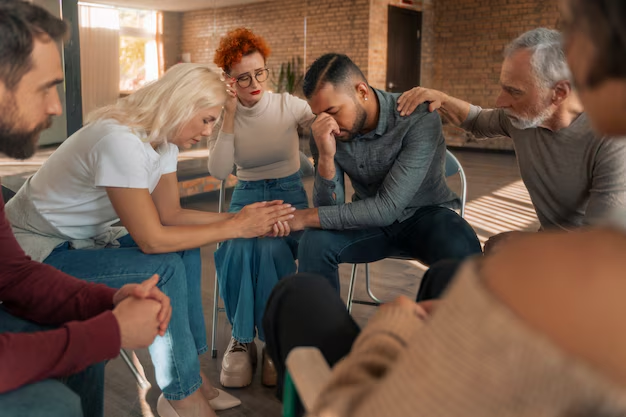
In-person groups offer the benefits of nonverbal communication, such as empathetic gestures and physical touch, which can be profoundly comforting. Additionally, the immediacy of face-to-face interaction allows for a more nuanced understanding of another’s emotional state and can lead to more profound connections. (Support groups for mental health online)
The Hybrid Model
However, the future may lie in a hybrid approach that combines the best of both worlds. By integrating online and in-person elements, support groups can offer the convenience and accessibility of virtual meetings with the intimacy and depth of traditional gatherings. (Support groups for mental health online)
The Future of Online Support Groups
Technological Advancements
Looking ahead, we anticipate further innovations that will shape the landscape of online support groups. Artificial intelligence (AI) could play a significant role in moderation, offering round-the-clock oversight and immediate responses to urgent matters. Virtual reality (VR) communities may also emerge, providing an even more immersive experience that blurs the line between the digital and the physical.(Support groups for mental health online)
Integration with Professional Services
As the mental health industry evolves, we are likely to see a greater integration of online support groups with professional services. This could take the form of collaborations with therapists or the integration with mental health apps, offering users a more comprehensive and personalized support network.(Support groups for mental health online)
Challenges and Improvements
While the future holds much promise, there are also challenges to be addressed. Enhancing privacy measures and combating misinformation are critical areas of concern. As these communities grow, so too must our efforts to ensure they remain safe and effective. (Support groups for mental health online)

Conclusion
In conclusion, online support groups present a complex interplay of benefits and limitations. While they offer unprecedented accessibility, anonymity, and cost-effectiveness, they also face challenges such as privacy concerns and the potential for negative interactions. It is essential for individuals to approach these communities with an informed perspective, recognizing their role as a complementary resource rather than a standalone solution for mental health care.
The rise of these digital havens underscores the profound need for human connection and the resilience of the human spirit. By participating with discernment and an awareness of their limitations, online support groups can serve as a powerful adjunct to traditional therapy, offering a lifeline of empathy and encouragement to those in need. (Support groups for mental health online)
In the quest for mental wellness, we must continue to explore and refine new avenues of support. The integration of technology and human compassion has the potential to create innovative and effective means of care, but only if we remain vigilant in our pursuit of safety, quality, and ethical standards. It is our hope that this article has provided a valuable framework for understanding and engaging with the world of online support groups, empowering readers to make choices that best serve their unique needs and foster their continued growth. (Support groups for mental health online)